Why Vine Borers Are the Most Dangerous Pest for Giant Pumpkins
If you grow competitive pumpkins, squash vine borers should be your number-one concern. A single larva tunnels inside the vine, severing the flow of water and nutrients to your fruit. By the time you notice wilting leaves, the damage is already done. Unlike pests that feed on foliage, borers attack the plant's plumbing — and for a pumpkin gaining 30+ pounds per day, any interruption to that flow is catastrophic.
Identification
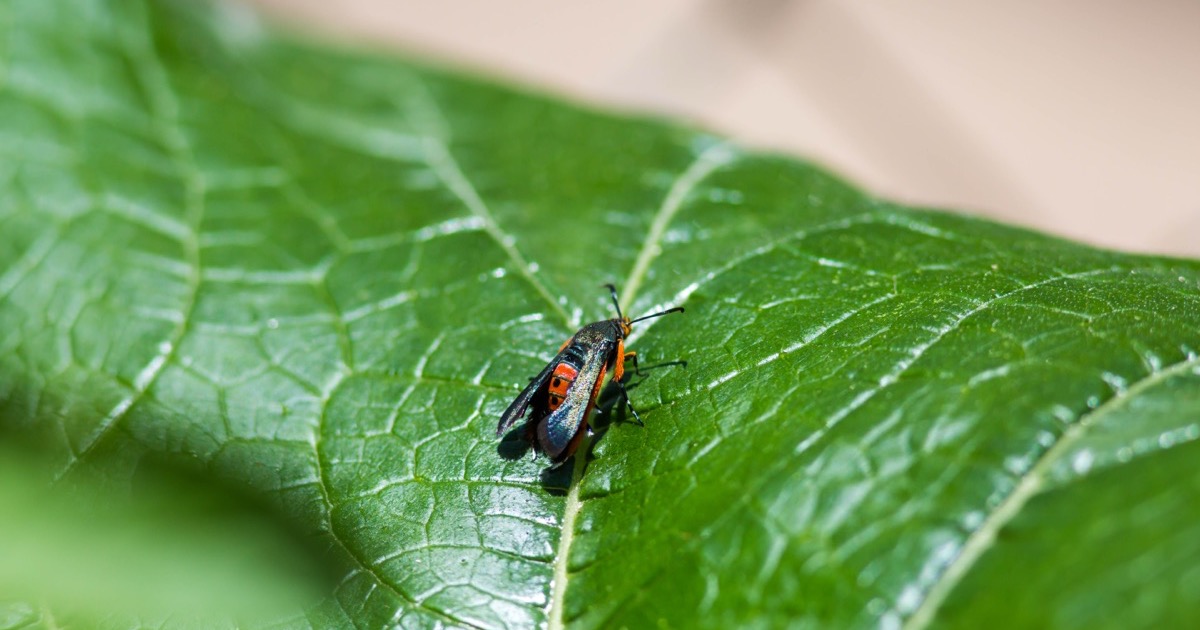
The adult squash vine borer moth is easy to spot if you know what to look for. It's a day-flying moth with a bright orange abdomen, clear wings, and a wingspan of about 1 to 1.5 inches. They're often mistaken for wasps due to their coloring and flight pattern.
The larvae are white, wrinkly caterpillars with brown heads, roughly 1 inch long when mature. You'll rarely see them directly — instead, look for their calling card: sawdust-like frass (excrement) pushed out of small entry holes at the base of vines. This orange-brown frass is your earliest and most reliable warning sign.
Scouting: When and Where to Look
Adults emerge and begin laying eggs starting in mid-June in zones 4–5, potentially as early as late May in zone 7+. Egg-laying continues through July, sometimes into early August in warmer regions. Eggs are tiny, flat, and reddish-brown, deposited singly at the base of stems and on the undersides of leaves near the soil line.
Your scouting checklist:
- Check vine bases daily from mid-June through the end of July
- Look for orange-brown frass at the soil line where vines contact the ground
- Inspect the undersides of leaves near the main stem for eggs
- Watch for sudden wilting of a single vine run while the rest of the plant looks healthy — this is a classic sign of internal borer damage
Prevention
Prevention is far easier than treatment. Start these measures before you ever see a moth:
- Stem wrapping: Wrap the base of your vine (first 3-4 feet from the root) with aluminum foil or lightweight fabric. This creates a physical barrier that prevents egg-laying directly on the stem.
- Row covers: If you can cover young plants with floating row covers during the peak egg-laying window (mid-June to mid-July), you'll block the moths entirely. Remove covers once plants need pollination, or hand-pollinate underneath them.
- Trap crops: Plant a few winter squash (like Hubbard squash) nearby. Vine borers are strongly attracted to them and will often choose the trap crop over your giant pumpkin vines. Monitor and destroy infested trap plants.
- Crop rotation: Don't plant cucurbits in the same spot year after year. Borer pupae overwinter in the top few inches of soil.
- Pheromone traps: Hang squash vine borer pheromone traps near your patch starting in late May. These won't eliminate borers, but they'll tell you exactly when adults are active in your area — invaluable for timing your prevention sprays and scouting intensity.
- Proactive vine burial: Bury vine joints with moist soil to encourage rooting at multiple points along the vine. This creates redundant root systems — if a borer severs one section, the plant can still draw water and nutrients from roots on the other side of the damage.
Chemical Prevention
For competitive growers, preventive chemical sprays on vine bases are the most reliable defense against vine borers. Physical barriers help, but chemical prevention provides an additional layer of protection.
- Permethrin: Apply to vine bases and the first 3–4 feet of vine every 7–10 days during the egg-laying window. Permethrin is more effective and longer-lasting than pyrethrin for borer prevention. Focus on coating the vine surface where moths lay eggs
- Carbaryl (Sevin): Spray on vine bases every 7–10 days. A widely used option among competitive growers, though it is broad-spectrum and will also kill beneficial insects
- Bifenthrin: Another effective option for vine base applications during peak moth activity
Treatment: Vine Surgery
If you find frass and suspect a borer is already inside, you have two options:
Option 1: Manual Extraction
Locate the entry hole
Make a lengthwise slit
Remove the larva
Cover and wrap
Monitor recovery
Option 2: Bt Injection
Mix the solution
Inject into the vine
Wait for results
Triage: Assessing the Damage
Not all borer damage is equally catastrophic. Where the larva is in the vine determines how severe the situation is:
- Borer in main vine between the root and fruit: This is the worst-case scenario. It cuts the primary supply line to your pumpkin. Act immediately with surgery or Bt injection. If the main vine is fully severed in this zone, the fruit will stop growing within days.
- Borer in main vine beyond the fruit: Serious but survivable. The vine tip will die, but the fruit still receives nutrients from the root side.
- Borer in a secondary vine: Less critical. Remove the larva if possible, but the plant can compensate through other secondaries. Prioritize protecting the main vine.
If the worst happens and a borer completely severs the main vine between root and fruit, your only option is to keep the vine section attached to the fruit alive by encouraging any rooted nodes on the fruit side to sustain it. Results are mixed, but some growers have salvaged a season this way.
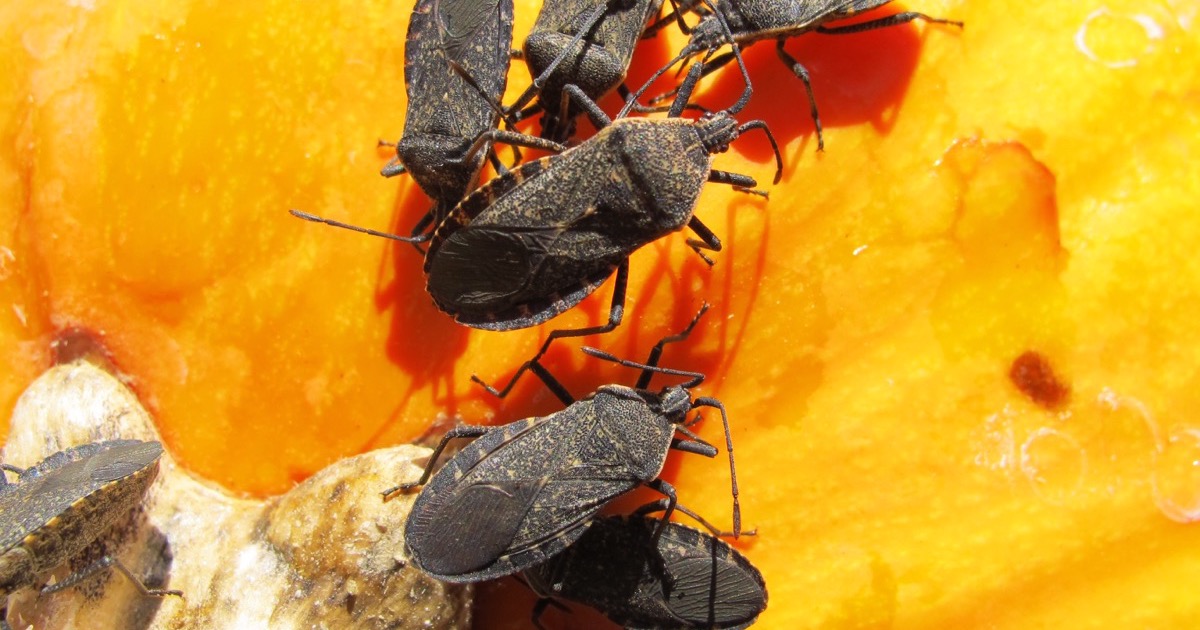
Vine borers are the headliner, but they're not the only threat. See our guides on squash bugs, cucumber beetles, and secondary pests, and build a comprehensive scouting program to cover all threats.