Secondary Pests: Aphids, Cutworms & Whiteflies
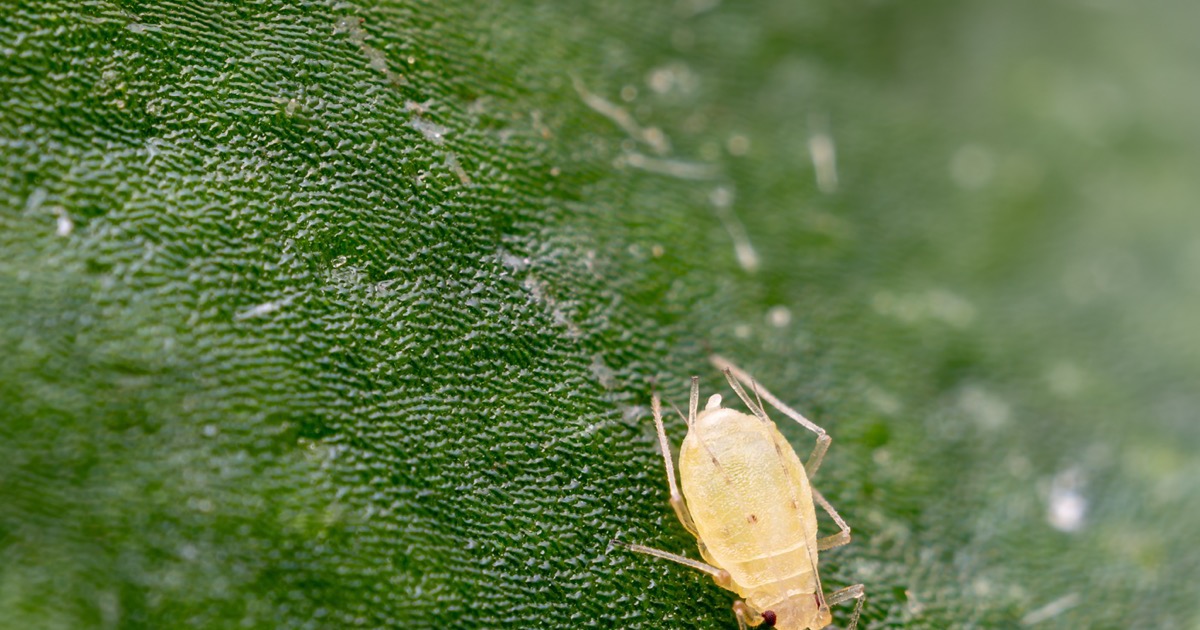
These pests rarely end a season on their own, but cumulative stress from aphids, cutworms, and whiteflies can significantly slow your pumpkin's growth rate. Here's how to keep them in check.
Friendly guides written by experienced growers who remember what it was like to start. Pick a topic and dig in!
These pests rarely end a season on their own, but cumulative stress from aphids, cutworms, and whiteflies can significantly slow your pumpkin's growth rate. Here's how to keep them in check.
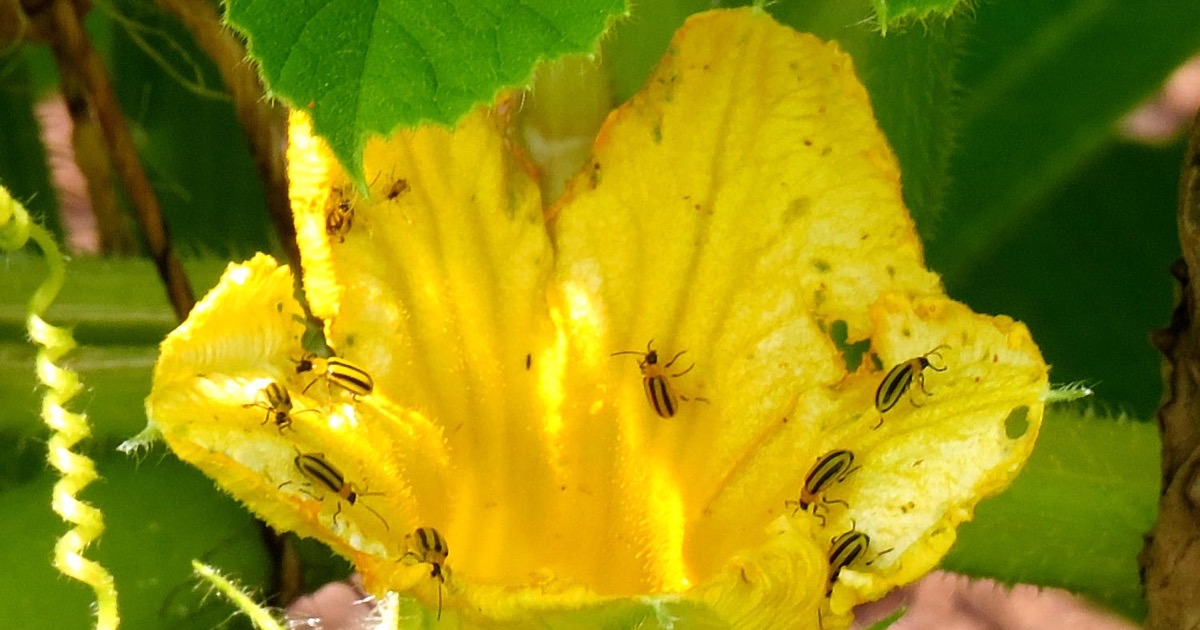
Cucumber beetles aren't just leaf-chewers — they're carriers of bacterial wilt, an incurable disease that can kill your giant pumpkin plant. Early-season protection is everything.
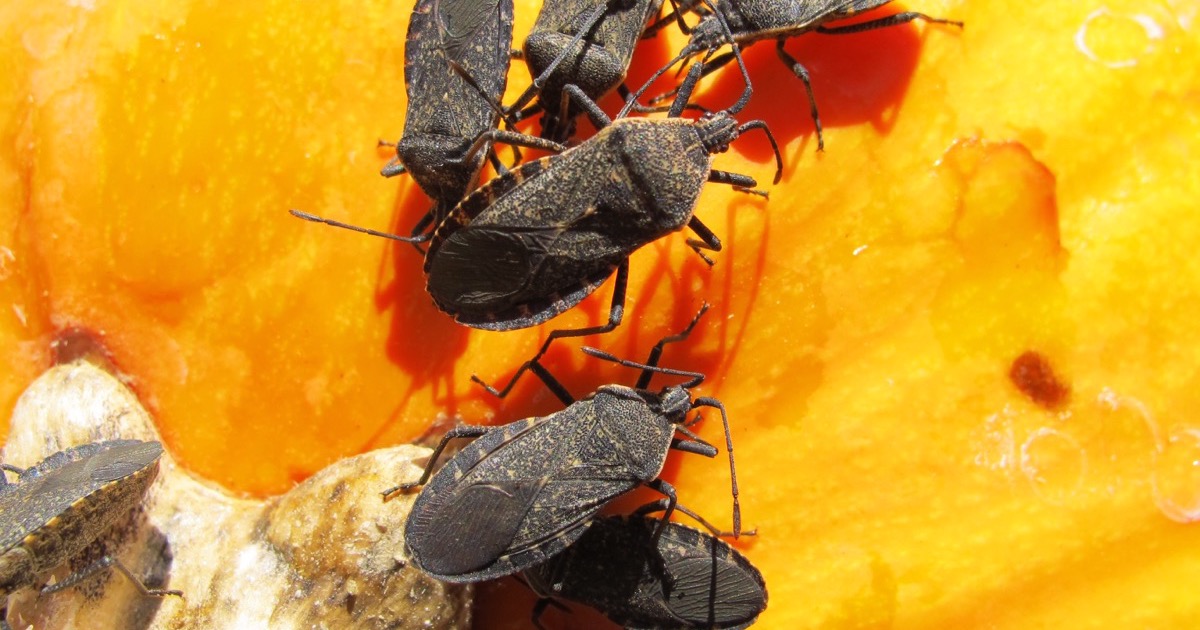
Squash bugs drain sap, transmit disease, and are notoriously tough to kill as adults. Your best weapon is catching them early. Here's exactly how to scout for and eliminate them.
The difference between a record-breaking pumpkin and a lost season often comes down to one thing: how early you catch problems. Here's how to build a scouting program that keeps you ahead of every threat.
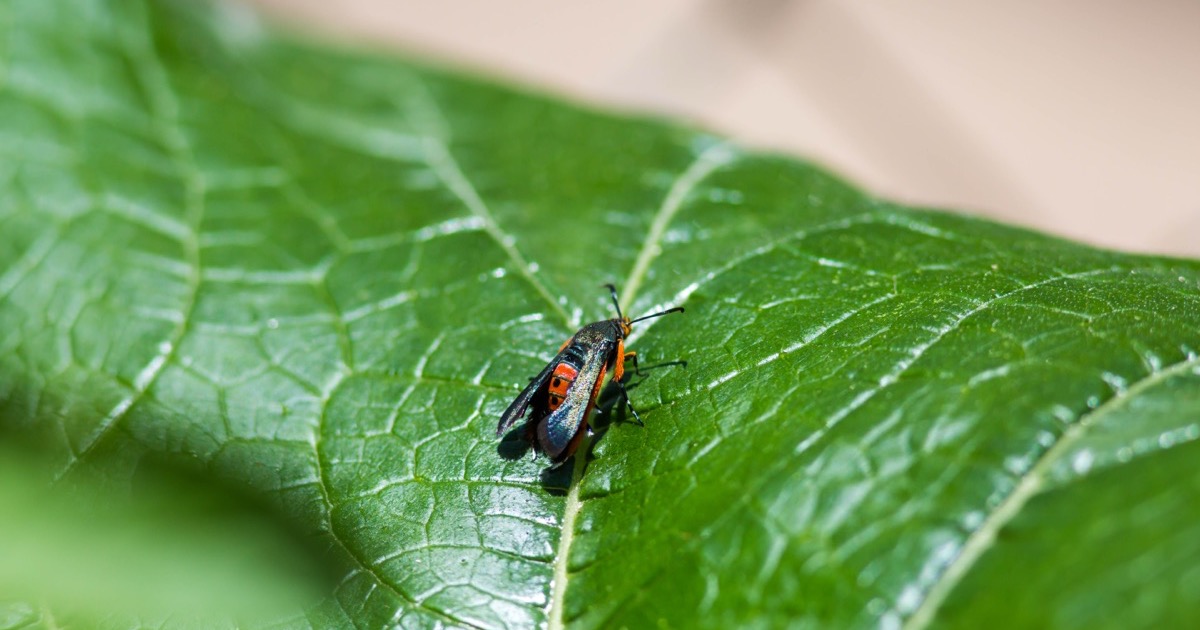
A single squash vine borer can end your entire season. Learn to identify, prevent, and treat this devastating pest before it tunnels through your prize pumpkin's lifeline.
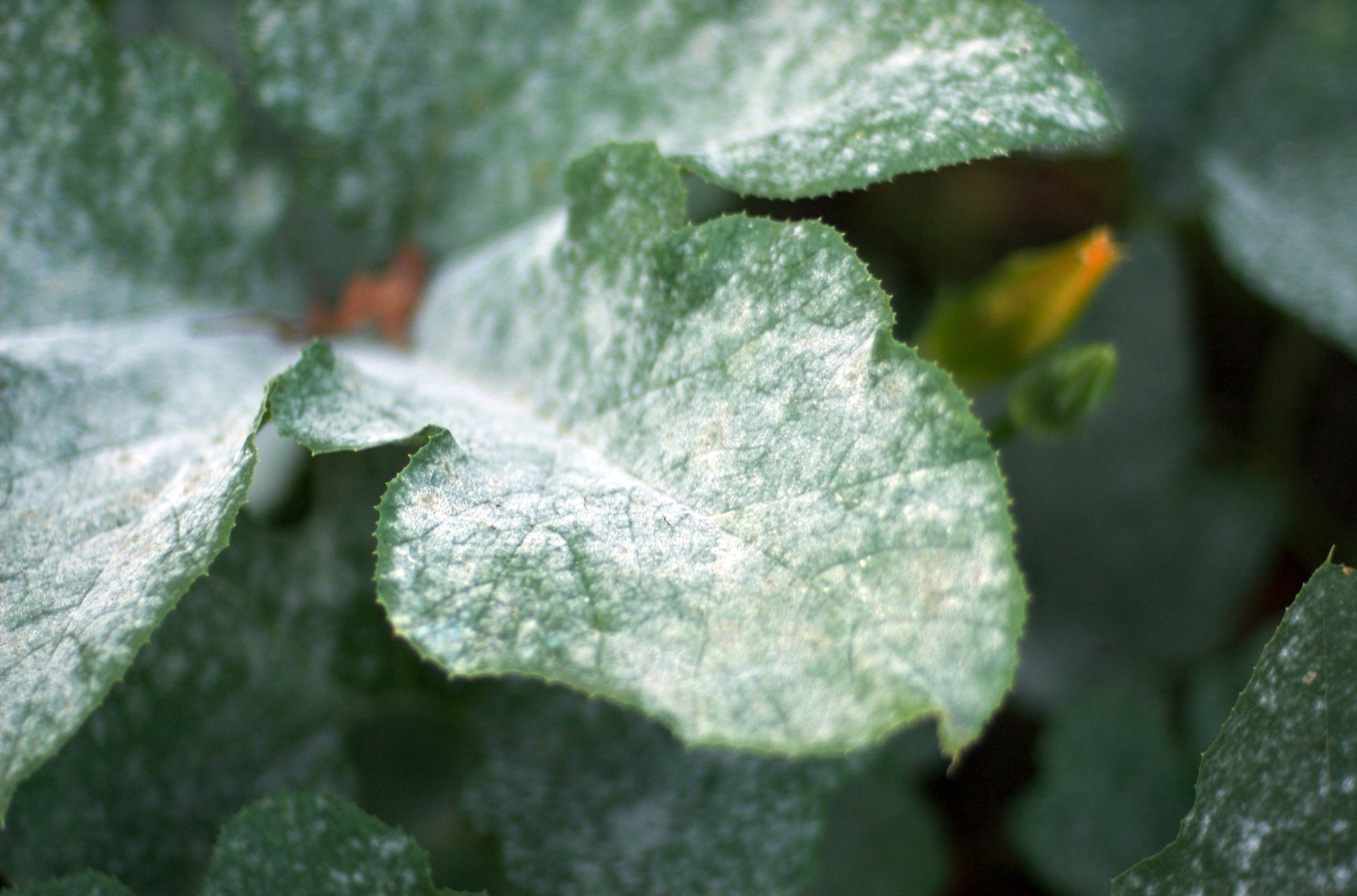
Powdery mildew is the number-one foliar disease threatening giant pumpkins. Catch it early, treat it right, and keep your canopy healthy through harvest.
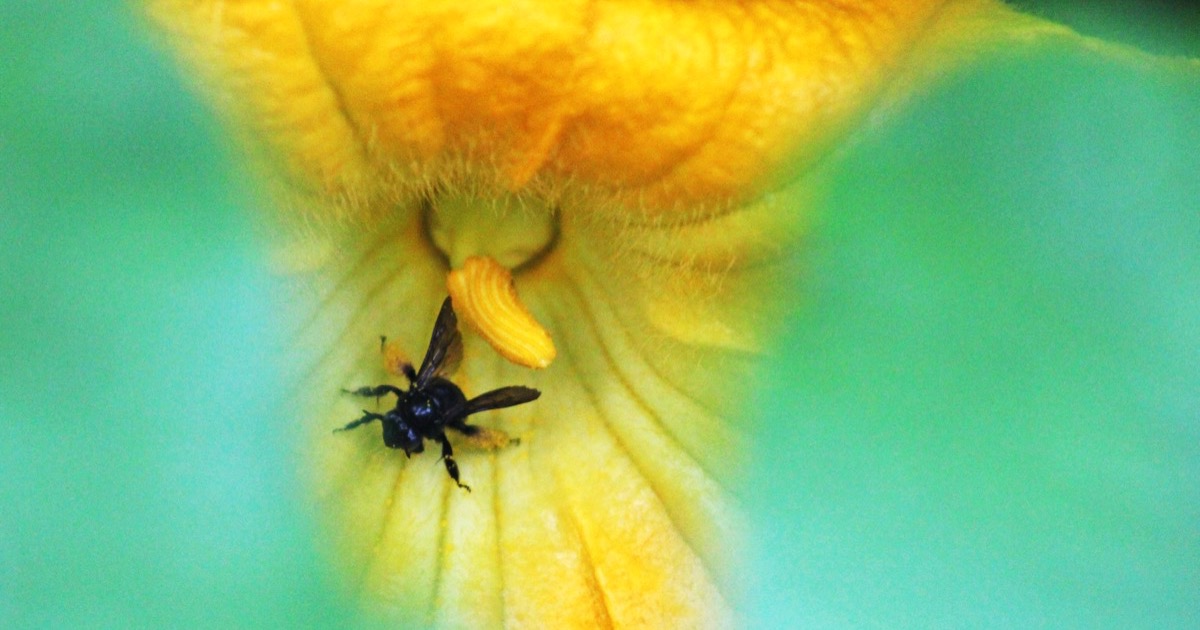
Hand pollination protects your genetics and ensures the right flowers get pollinated at the right time. Learn to identify, time, and execute like a competitive grower.
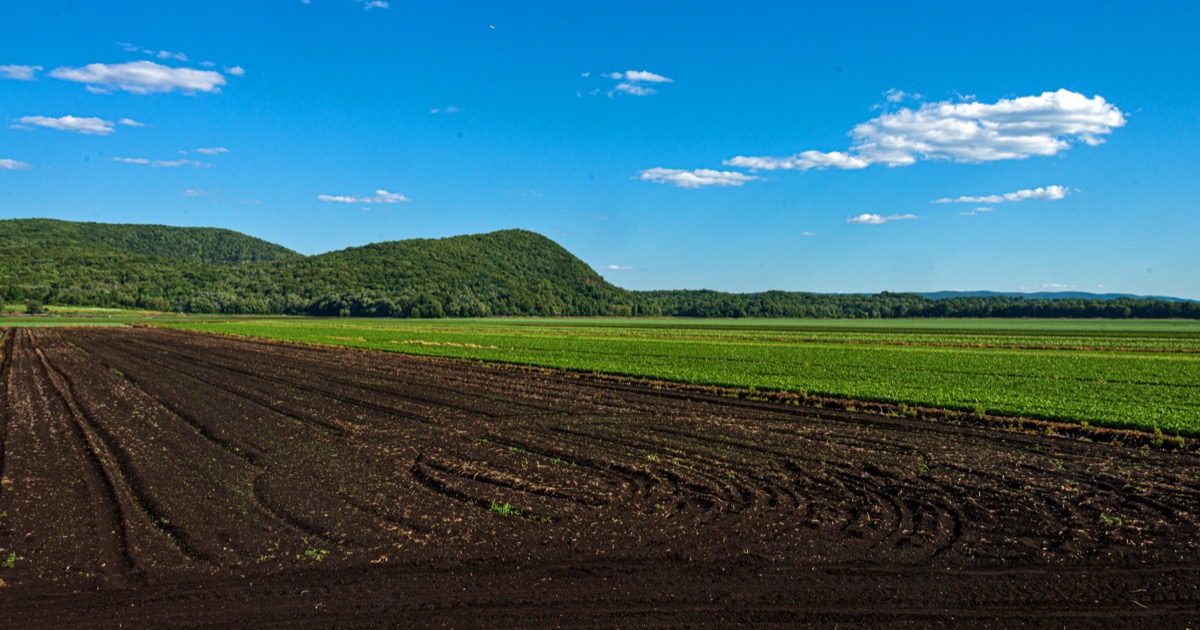
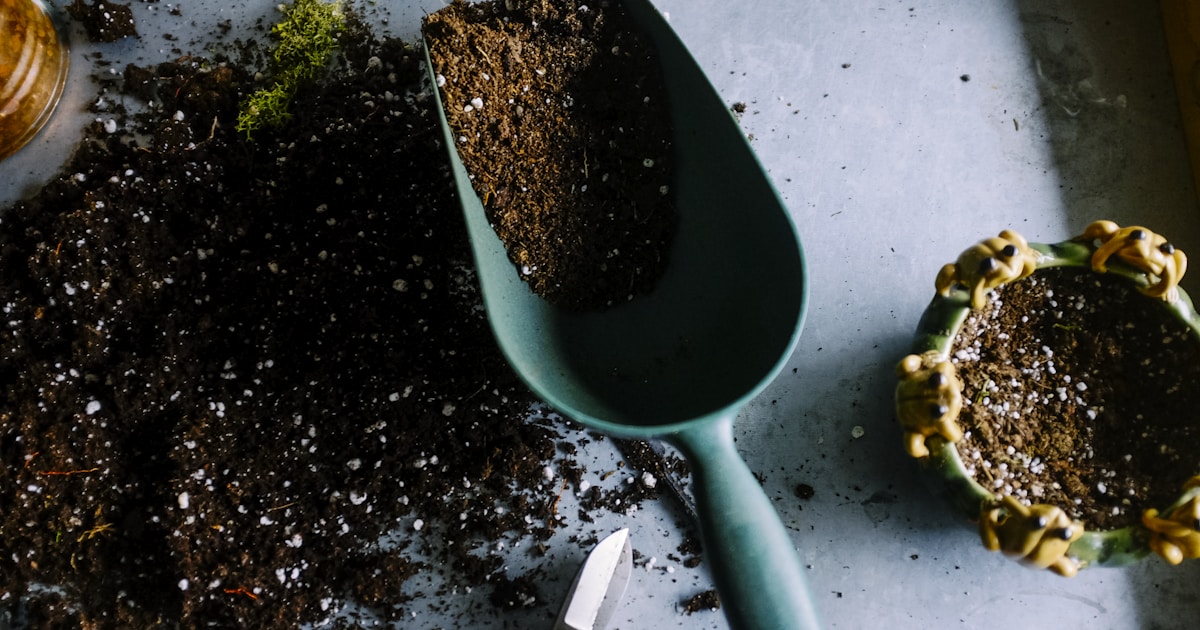
Build a nutrient-rich growing bed and follow a season-long fertilizer schedule — from fall soil tests through harvest-season potash.
A step-by-step walkthrough of indoor seed starting — filing, soaking, soil temperature, pot selection, and transplant timing for Atlantic Giant pumpkins.
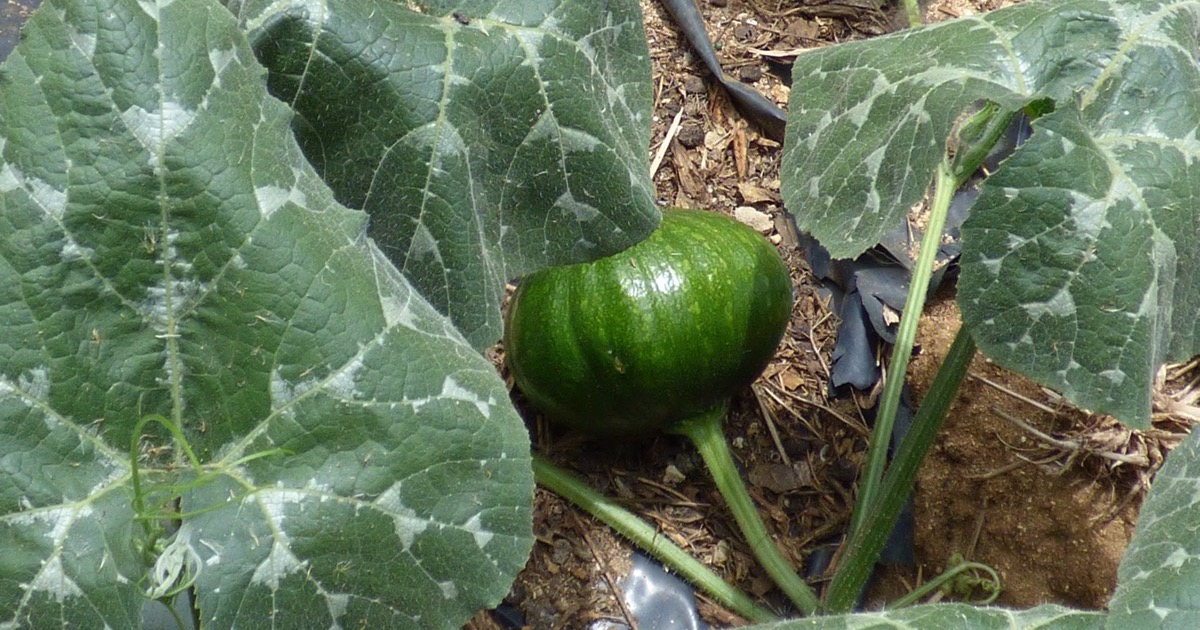
Everything a first-year grower needs — from choosing the right seed to harvesting a pumpkin that turns heads at the local weigh-off.