Why a Scouting Program Matters
Without a regular pest scouting program, you're relying on luck. And luck runs out. The growers who consistently produce 1,000+ pound pumpkins aren't necessarily using more chemicals or fancier equipment — they're just catching problems earlier. A structured scouting routine turns you from reactive to proactive, and that shift alone can save your season.
The Weekly Scouting Checklist
Set aside 15-20 minutes at least twice a week (daily during peak pest season) to walk your patch with intention. Here's what to check:
15–20 min
Minimum scouting time per session — at least twice a week, daily in peak season
This time estimate is for a single plant. If you're growing multiple plants or have a large patch, allow proportionally more time. Rushing through a scout is worse than not scouting at all — you'll miss the early signs that matter most.
- Vine bases: Look for frass (sawdust-like debris) indicating vine borers
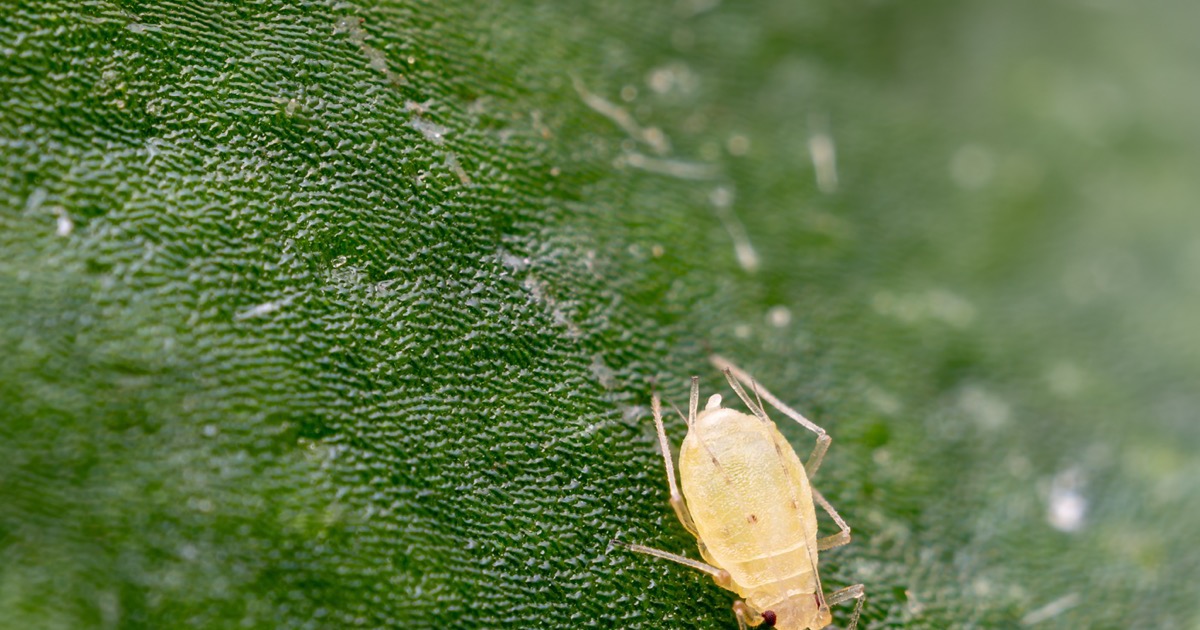
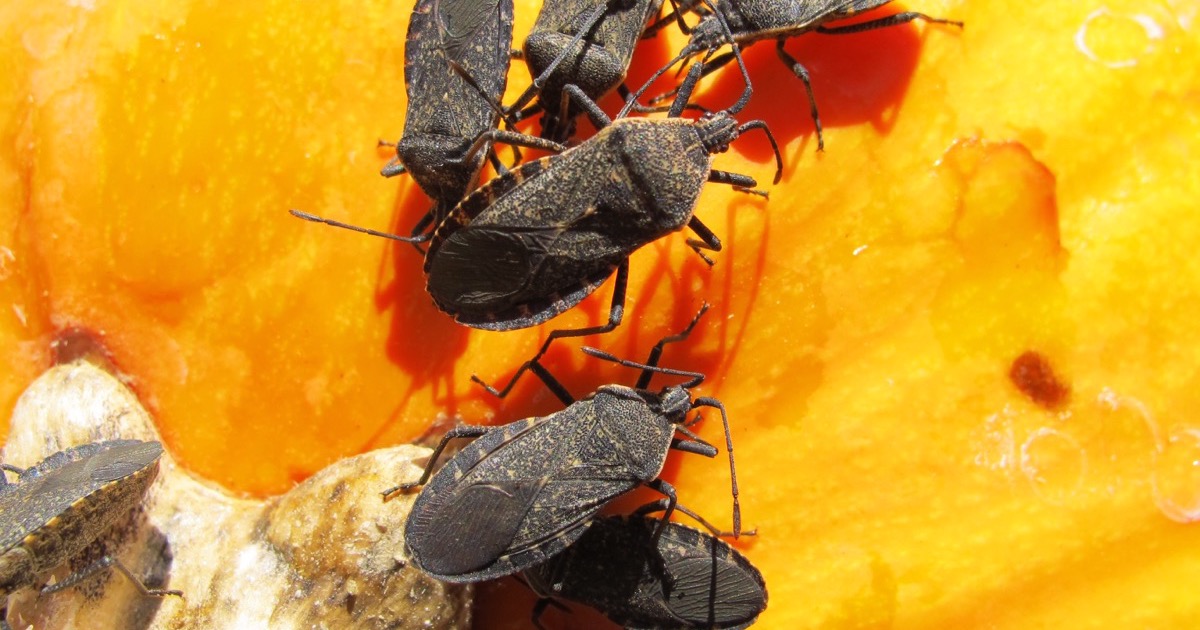
- Leaf undersides: Check for squash bug egg masses, aphid colonies, and whiteflies
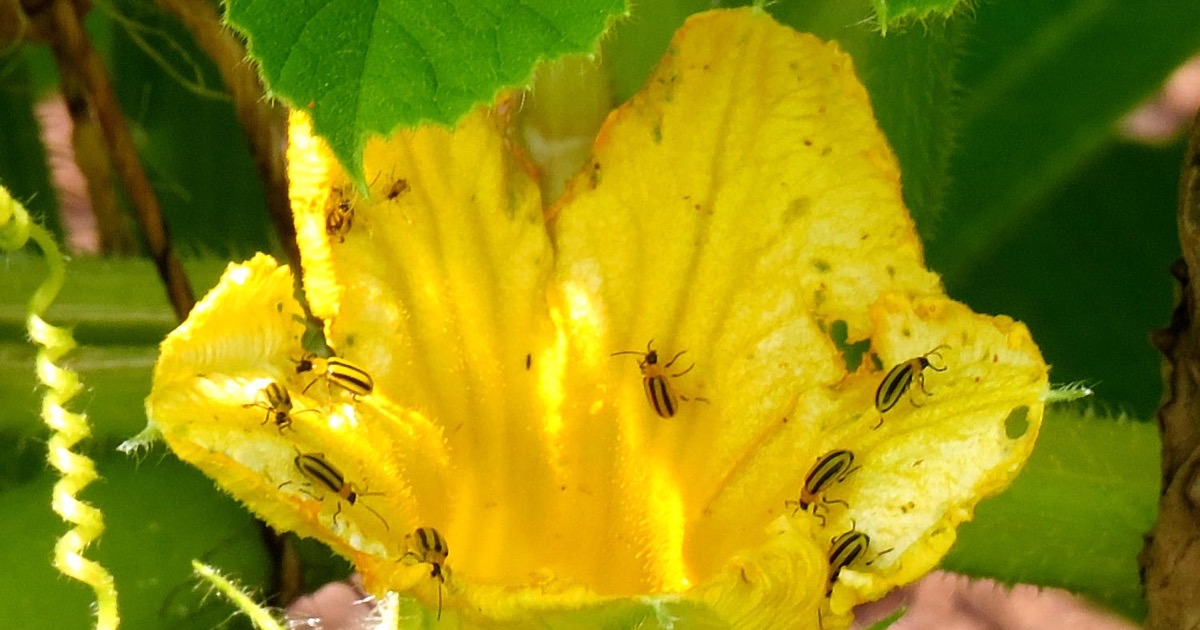
- Growing tips: Inspect new vine growth for cucumber beetles and aphids
- Soil line: Look for cutworm damage on young stems, slug trails near fruit
- Fruit surface: Check for pest feeding damage, rot entry points, and cracks
- General foliage: Note any wilting, yellowing, or stippling that could indicate pest pressure
- Leaf stippling: Tiny yellow or white dots on the upper leaf surface, especially in hot/dry weather, may indicate spider mite feeding. Check undersides for fine webbing
Seasonal Timeline
Early Season: Transplant Through 5 True Leaves
This is the most vulnerable period. Young plants have zero tolerance for cucumber beetles (which transmit bacterial wilt) and cutworms (which sever stems at ground level). Scout daily if possible. Use row covers, plant collars, and hand-pick any beetles you find. Your action threshold is just 1 cucumber beetle per plant.
Mid-Season: Vine Run (June–July)
Vine borers become the primary threat. Check vine bases daily for frass. Squash bugs start appearing — crush any egg masses you find on leaf undersides. Aphid populations can surge if you've used broad-spectrum sprays that killed their natural predators. Spider mites can also appear in hot, dry conditions — check for stippling and fine webbing on leaf undersides. This is also when cucumber beetle pressure shifts from "dangerous" to "manageable" as plants become more established.
Late Season: Fruit Growth Through Harvest (August–September)
Vine borer larvae may still be active from July egg-laying. Squash bug nymphs reach their most damaging stage. Slugs and snails become a fruit rot risk, especially in wet conditions. Spider mite populations often peak during hot, dry August weather and can rapidly defoliate stressed plants. Monitor for rodent damage (voles chewing on the underside of fruit). This is the home stretch — don't let your guard down.
Crop Rotation
If you're growing in the same garden year after year, pest pressure compounds. Many pests overwinter in soil as pupae or eggs. The gold standard is a 3-year rotation — don't plant any cucurbits (pumpkins, squash, cucumbers, melons) in the same plot more than once every three years. If space is limited, at minimum, move your main plant to a different section of the patch each year and remove all vine debris after harvest.
Site Prep and Physical Barriers
- Debris removal: Clear all old vines, leaves, and fruit remnants from the patch after each season — these harbor overwintering pests and disease
- Fencing: Deer can destroy a patch overnight. Use 8-foot fencing or electric fence. For voles and groundhogs, bury hardware cloth 6 inches deep around the perimeter.
- Slug and snail barriers: Create a ring of diatomaceous earth, crushed eggshells, or sand around your fruit. Note that diatomaceous earth loses effectiveness when wet and must be reapplied after rain. Copper tape around containers or barriers near the fruit is also effective. Keep the area around fruit clear of mulch that holds moisture.
The Integrated Approach
The best pest management programs layer multiple strategies:
Cultural controls
Physical barriers
Biological allies
Targeted sprays
Combine Pest & Disease Scouting
While you're checking for insects, also watch for early signs of disease — particularly powdery mildew (white powder on upper leaf surfaces) and downy mildew (angular lesions with underside sporulation). Catching fungal infections early, before they spread across the canopy, is the difference between a manageable treatment and a season-ending outbreak.