Why Secondary Pests Still Matter
Aphids, cutworms, and whiteflies rarely make headlines in the giant pumpkin world — that distinction belongs to vine borers and squash bugs. But don't make the mistake of ignoring them. These secondary pests create cumulative stress that slows growth, weakens plants, and opens the door to disease. A healthy, vigorously growing pumpkin plant can outpace most secondary pest damage, but a plant already under stress from these pests is less able to fight off the big threats when they arrive.
Aphids
Identification
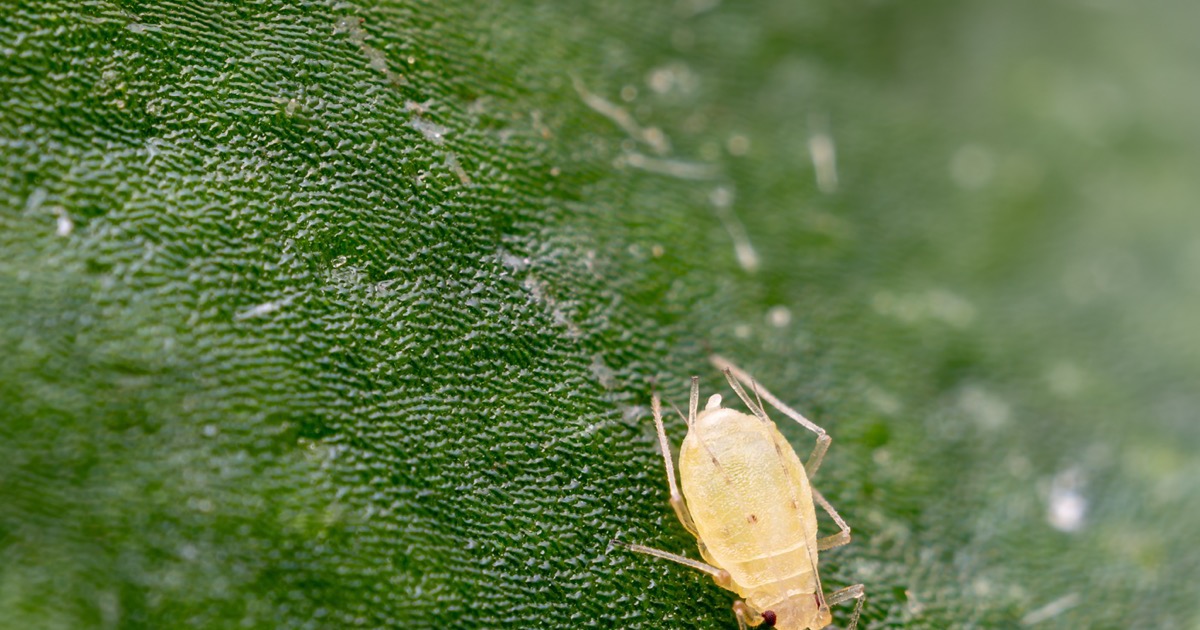
Aphids are tiny, soft-bodied insects (1/16 to 1/8 inch) that cluster on the undersides of leaves and on new growth. They come in green, black, yellow, and pink varieties. You'll often notice them by the sticky residue (honeydew) they leave behind, which can develop black sooty mold.
Why They're a Problem
Aphids suck sap from plant tissue, causing leaves to curl, yellow, and become stunted. More importantly, they're vectors for several plant viruses including cucumber mosaic virus and watermelon mosaic virus. Large colonies can significantly reduce a plant's photosynthetic capacity.
Control
- Encourage natural predators: Plant flowers (alyssum, yarrow, dill) near your patch to attract ladybugs, lacewings, and parasitic wasps.
- Release purchased beneficials: If natural populations are low, purchasing and releasing ladybugs or lacewing larvae can provide quick control.
- Neem oil: Effective against aphids when sprayed directly. Apply in evening to avoid leaf burn.
- Insecticidal soap: Kills aphids on contact. Requires thorough coverage and reapplication every 5-7 days.
- Strong water spray: A blast of water from the hose can knock aphids off plants. Simple but effective for light infestations.
- Imidacloprid (soil drench): For competitive growers dealing with persistent aphid pressure, a systemic soil drench provides extended protection. Since competitive pumpkins are not eaten, the food-safety concerns that limit systemic use on edible crops don't apply
- Permethrin: Effective contact spray for heavy aphid infestations when you need quick knockdown. Apply in the evening to minimize pollinator impact
50+ aphids/day
How many aphids a single ladybug can consume — encourage natural predators before reaching for sprays
Cutworms
Identification
Cutworms are fat, smooth caterpillars (1-2 inches long) that curl into a C-shape when disturbed. They're typically dull gray, brown, or greenish, and feed almost exclusively at night. During the day, they hide in the top inch of soil near the base of plants.
Why They're a Problem
Cutworms chew through plant stems at or just below the soil surface, severing seedlings and young transplants at the base. A single cutworm can destroy multiple plants in one night. The damage is most devastating in the first few weeks after transplanting when stems are thin and tender.
Control
- Plant collars: Place a 3-inch tall collar of cardboard, plastic, or aluminum foil around each transplant, pushed 1 inch into the soil. This is the most reliable prevention method.
- Diatomaceous earth: Sprinkle a ring of food-grade diatomaceous earth around the base of each plant. The sharp particles damage the caterpillar's soft body as it crawls through. Note: DE loses effectiveness when wet and must be reapplied after rain or heavy dew.
- Night hunting: Go out after dark with a flashlight and hand-pick cutworms from around the base of plants. They're easy to find when actively feeding.
- Bt (Bacillus thuringiensis): Apply to the base of stems and surrounding soil in the evening — Bt must be on tissue cutworms actually eat to be effective. Cutworms ingest it while feeding and die within a few days.
- Cutworm bait: Commercial cutworm baits (iron phosphate or carbaryl-based granular baits) scattered around plant bases in the evening provide effective control with less effort than hand-picking.
- Tilling: Fall tilling exposes overwintering cutworm pupae to predators and cold temperatures, reducing next year's population.
You can remove cutworm collars once stems have thickened and hardened (typically 3–4 weeks after transplanting). After that point, stems are too tough for cutworms to sever.
Whiteflies
Identification
Whiteflies are tiny (1/16 inch), white, moth-like insects that fly up in clouds when you disturb infested foliage. They feed on the undersides of leaves and, like aphids, produce sticky honeydew. Nymphs are tiny, flat, oval, and nearly transparent — easily overlooked.
Why They're a Problem
Whiteflies weaken plants through sap feeding and can transmit several plant viruses. Heavy infestations cause leaf yellowing, wilting, and reduced plant vigor. The honeydew they produce supports sooty mold growth, which further reduces photosynthesis. Whiteflies are more of a concern in southern growing zones and greenhouse environments; outdoor growers in zones 4–6 typically see less whitefly pressure than aphid or spider mite pressure.
Control
- Yellow sticky traps: Highly effective for monitoring and reducing adult whitefly populations. Place at plant height throughout the patch.
- Neem oil: Disrupts feeding and reproduction. Apply every 7-10 days, targeting leaf undersides.
- Insecticidal soap: Kills nymphs and adults on direct contact. Thorough coverage of leaf undersides is essential.
- Encourage natural predators: Lacewings, ladybugs, and tiny parasitic wasps (Encarsia formosa) are effective biological controls.
- Reflective mulch: Silver or reflective mulch around plants confuses whiteflies and reduces landing rates.
Spider Mites
Identification
Spider mites are nearly invisible to the naked eye (less than 1/50 inch). The two-spotted spider mite is the most common species on cucurbits. You'll usually notice the damage before you see the mites themselves: tiny yellow or white stippling dots on the upper leaf surface, and fine silky webbing on leaf undersides in heavy infestations. A 10x hand lens is invaluable for confirming their presence.
Why They're a Problem
Spider mites thrive in hot, dry conditions — exactly the weather pattern during July and August when your pumpkin is in peak growth. They feed by piercing individual leaf cells and extracting the contents, causing progressive yellowing and loss of photosynthetic capacity. A severe infestation can defoliate a plant faster than powdery mildew, and unlike mildew, mites are often not noticed until significant damage has occurred.
Control
- Strong water spray: A forceful spray of water on leaf undersides physically dislodges mites and disrupts their colonies. This is the simplest and most immediately effective control. Repeat every 2–3 days during outbreaks
- Neem oil: Effective as a miticide when applied thoroughly to leaf undersides. Apply in the evening when temperatures are below 90°F
- Insecticidal soap: Kills mites on direct contact. Requires thorough coverage of leaf undersides and reapplication every 5–7 days
- Horticultural oil (summer-weight): Smothers mites and eggs. Effective but can cause leaf burn in extreme heat — apply early morning or evening only
- Miticide sprays: For severe infestations, dedicated miticides (abamectin, spiromesifen) provide more effective control than general insecticides. Note that most broad-spectrum insecticides (permethrin, carbaryl) do not control mites and can actually make infestations worse by killing the predatory mites that naturally keep them in check
- Predatory mites: Releasing predatory mites (Phytoseiulus persimilis or Neoseiulus californicus) is an effective biological control, especially when introduced early before populations explode
Slugs
Slugs feed on fruit tissue at the soil line, creating entry points for rot organisms. They're most active in wet conditions and at night. Control with iron phosphate bait (Sluggo), diatomaceous earth around the fruit base (reapply after rain), or by keeping the area immediately around the fruit free of mulch and standing moisture. Elevating the fruit slightly on a bed of sand improves air circulation and reduces slug access.
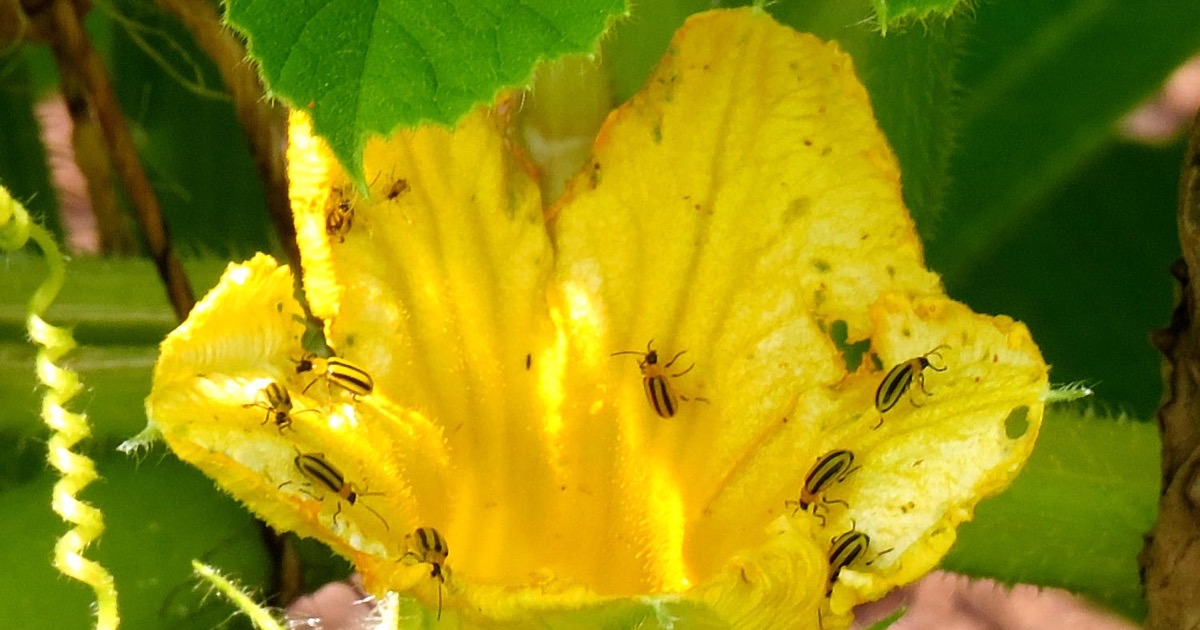
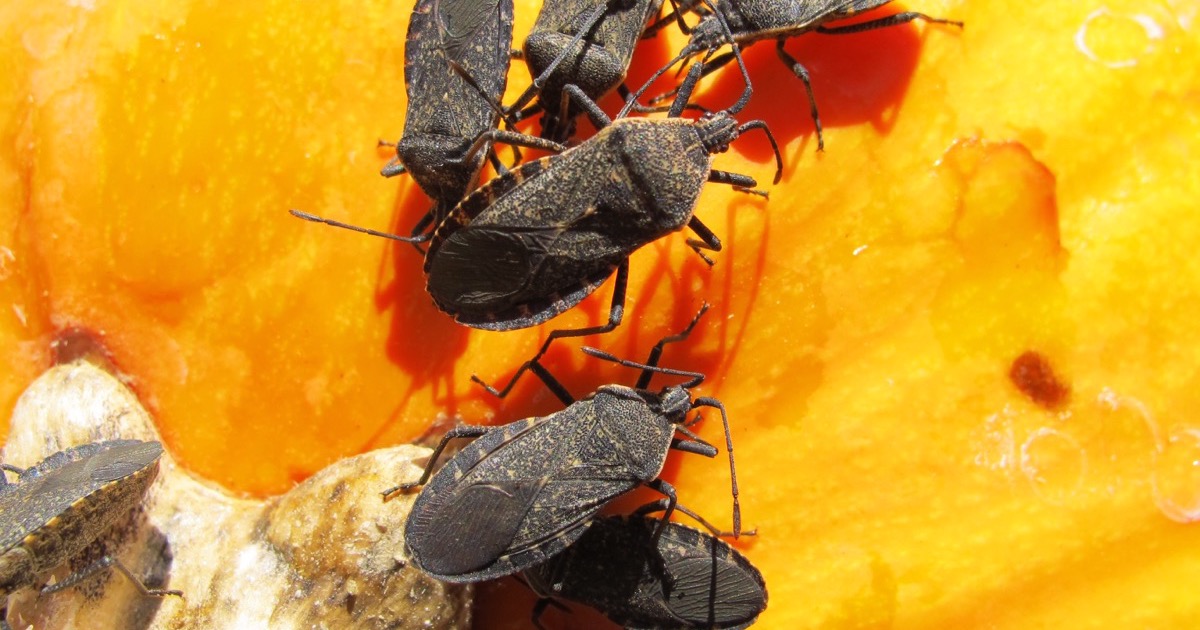
While managing secondary pests, don't lose sight of the primary threats: vine borers, cucumber beetles, squash bugs, and powdery mildew. Build all of these into your scouting program for complete coverage.