Why Atlantic Giant?
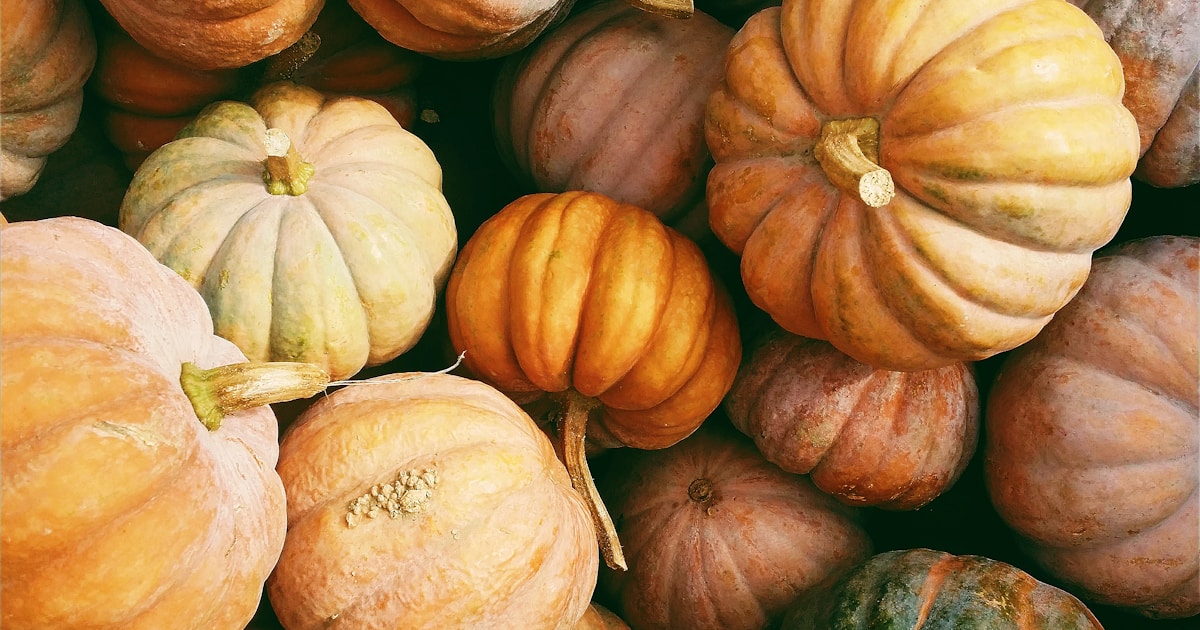
If you want to grow a truly massive pumpkin, there is really only one variety: the Dill's Atlantic Giant. Developed by Howard Dill of Nova Scotia beginning in the 1960s through decades of selective breeding, this is the variety behind every world record. While other pumpkin varieties top out at 50–100 pounds, Atlantic Giants routinely exceed 1,000 pounds in the hands of experienced growers — and the current world record stands at over 2,800 pounds.
As a first-year grower, don't worry about hitting a world record. A pumpkin in the 200–500 pound range is a realistic and exciting first-season goal. The principles are the same whether you're aiming for 200 pounds or 2,000.
Space & Site Selection
Giant pumpkins need room — a lot of it. Plan on dedicating at least 1,000 square feet (roughly 30 × 35 feet) per plant. The vines spread aggressively in all directions, and crowding them limits both vine health and fruit size.
1,000 sq ft
Minimum growing space per plant (roughly 30 × 35 feet)
Choose a site with:
- Full sun — at least 8 hours of direct sunlight per day. In warmer zones (7+), some afternoon shade can actually benefit the plant during peak summer heat
- Wind protection — a fence, tree line, or building on the prevailing-wind side helps prevent leaf damage and reduces moisture stress
- Good drainage — giant pumpkins drink heavily, but they hate standing water
- Hose access — you will be watering a lot, so proximity to water is a practical must
Soil Basics
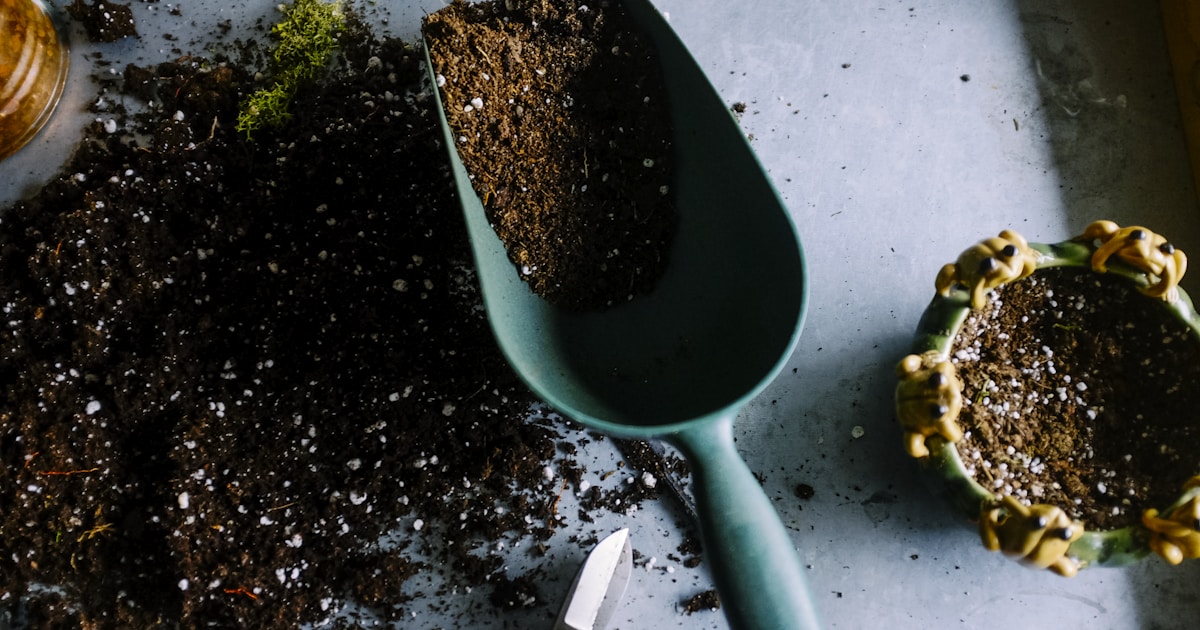
Great soil is the foundation of a great pumpkin. Start with a soil test the fall before you plan to grow — your local extension office can provide one for a small fee. You're targeting:
- pH between 6.5 and 7.0 — slightly acidic to neutral
- High organic matter — at least 5%, ideally 8–10%
- Balanced nutrients — adequate phosphorus, potassium, calcium, and magnesium
In the fall, work in 4–6 inches of quality compost or well-aged manure. If your pH is low, add lime according to your soil test recommendations. This gives the amendments all winter to break down and integrate into the soil.
For the complete soil preparation playbook — including detailed fertilizer schedules, mycorrhizal inoculants, and foliar feeding — see our soil and fertilizer guide.
Starting Seeds
Start your seeds indoors 3–4 weeks before your last expected frost date. Use large peat pots (4–6 inches) filled with a quality seed-starting mix. Plant the seed pointed end down at a slight angle (about 30°), roughly 1 inch deep. The root emerges from the pointed end, and this orientation helps the seed coat shed cleanly as the cotyledons push upward. Keep soil temperature at 85°F using a heat mat until germination, which typically takes 5–10 days.
Once the seedling emerges, drop the temperature to 70–75°F and provide plenty of light. A south-facing window or grow light for 14–16 hours per day prevents leggy, weak seedlings.
Where you source your seed matters. Competitive seeds are sold through BigPumpkins.com auctions, local GPC clubs, and Howard Dill Enterprises. Seeds from prize-winning genetics give you a meaningful head start — genetics set the ceiling, and everything else determines how close you get to it.
For a detailed walkthrough of seed preparation, planting technique, and hardening off, see our seed starting guide.
Transplanting
Transplant when the seedling has 2–3 true leaves and nighttime temperatures are consistently above 50°F. Harden off for 5–7 days first by gradually exposing the seedling to outdoor conditions.
Dig a generous hole in your prepared bed, bury the seedling slightly deeper than it sat in the pot, and water thoroughly. Many growers protect transplants with a temporary cold frame or row cover for the first 1–2 weeks.
Vine Training
As vines grow, train them to radiate outward from the main root in a Christmas tree pattern. The main vine grows straight out while secondary vines angle off at roughly 90 degrees on alternating sides. This maximizes leaf coverage without overlapping.
Every few days, gently reposition vines before they set root. Once a vine is established, avoid moving it — the roots along the vine are major nutrient highways.
- Bury vine joints with soil to encourage additional root growth
- Prune tertiary vines (vines growing off secondaries) to reduce competition
- Keep the growing tips active — a vine that stops growing is a vine that stops feeding the fruit
The Single-Fruit Strategy
This is the hardest lesson for new growers: one plant, one pumpkin. After pollination (timing varies by zone — late June to mid-July in zones 4–6, earlier in warmer regions), select the most promising fruit and remove all others. Every additional pumpkin splits the plant's energy, dramatically reducing maximum size.
Choose a fruit that:
- Is set on the main vine, 10–15 feet from the root
- Has a sturdy, thick stem
- Is growing perpendicular to the vine (not at an awkward angle that might cause the stem to crack later)
- Shows rapid early growth — the fastest-growing fruit in the first week is usually your best candidate
Hand pollination is essential for competitive growing — it gives you genetic control and ensures heavy, even pollen coverage. See our hand pollination guide for the full technique.
Watering
Giant pumpkins are roughly 90% water, and at peak growth they can gain 30–50 pounds per day. You need to supply enough water to keep up.
- Early season: 1 inch per week, delivered at the base of the plant
- Peak growth (July–August): 2–4 inches per week in most competitive patches, or even more in hot climates
- Water in the morning to let foliage dry before evening, reducing disease risk
- Drip irrigation or soaker hoses are ideal — overhead sprinklers promote foliar disease
Basic Feeding
Giant pumpkins are heavy feeders. A simple approach for first-year growers:
At transplant
Weeks 1–4
Weeks 5–8 (fruit set through mid-growth)
Weeks 9–harvest
Fish emulsion and seaweed extract make excellent supplemental foliar feeds throughout the season. Apply every 7–14 days early in the morning.
Pest & Disease Awareness
Giant pumpkins face real pest and disease pressure. The most damaging threats include squash vine borers, cucumber beetles carrying bacterial wilt, squash bugs, and powdery mildew. Building a regular scouting program is one of the most valuable habits you can develop as a new grower.
Harvest Timeline
Most competitive growers harvest in late September or early October, roughly 120–130 days after pollination. Signs your pumpkin is ready:
- Growth rate has slowed to under 5 pounds per day
- The skin is hardening and resists light thumbnail pressure
- The stem is beginning to lignify (turning woody)
- The bottom of the pumpkin is turning from white to cream or yellow
Track your pumpkin's progress throughout the season by measuring its over-the-top (OTT) circumference and using an OTT-to-weight estimation chart to estimate weight. This helps you gauge growth rate and compare against your goals.
Harvest carefully — never lift by the stem. Slide a tarp underneath and use several people (or a tripod and chain hoist for larger pumpkins) to move it. A pumpkin that cracks during harvest is a heartbreaker.
What to Expect Your First Year
Set realistic expectations. Most first-year growers land somewhere between 100 and 500 pounds, and that's a genuine accomplishment. You'll make mistakes — everyone does. Seeds won't germinate, vines will get damaged, pests will show up, and the weather won't cooperate. The goal for year one is to learn the process, not to set a record. Every competitive grower started exactly where you are now.